


FUE
FUE
استخراج الوحدة الجرابية (FUE) هي تقنية زراعة شعر تتضمن استخراج بصيلات الشعر الفردية من منطقة المتبرع وزرعها في منطقة المستقبل من فروة الرأس. تم تطوير طريقة FUE كحل للمضاعفات المرتبطة بطريقة FUT، والتي غالبًا ما أدت إلى ندبة مرئية في منطقة المتبرع. تم اعتبار نهج FUE تقدمًا كبيرًا في زراعة الشعر لأنه يلغي الحاجة إلى أخذ شريط من الجلد من منطقة المتبرع، وبالتالي تجنب تكوين ندبة مرئية. هذه الطريقة مناسبة للمرضى الذين يعانون من أنواع مختلفة من تساقط الشعر، بما في ذلك الصلع الذكوري والأنثوي، والثعلبة الندبية، وتساقط الشعر بسبب الصدمة أو الجراحة. FUE هي إجراء سريع وآمن نسبيًا يمكن إجراؤه تحت التخدير الموضعي في عيادة أو مكتب الطبيب.
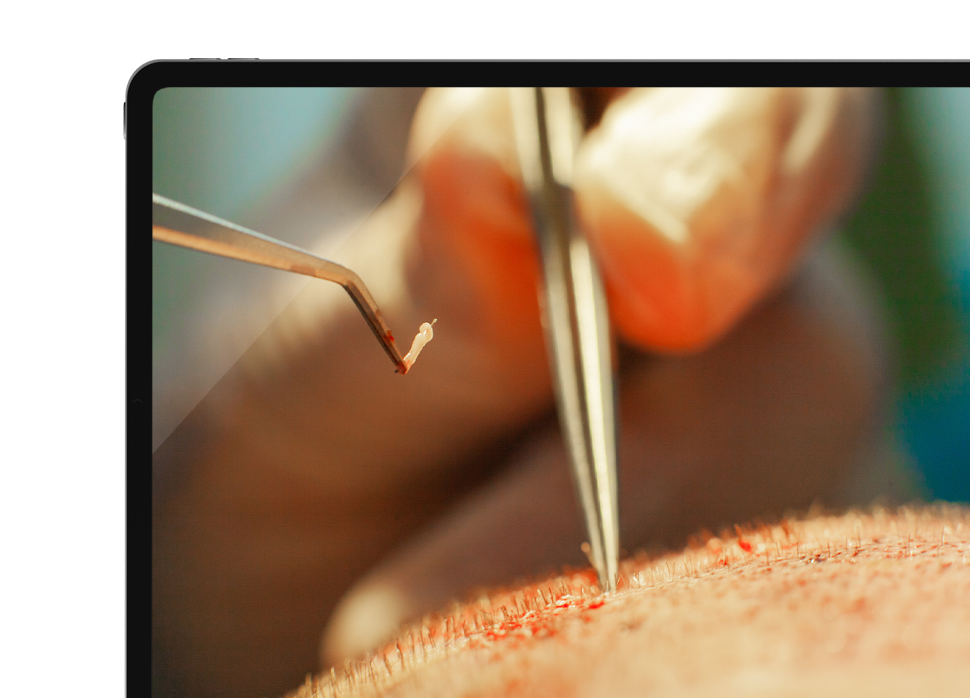
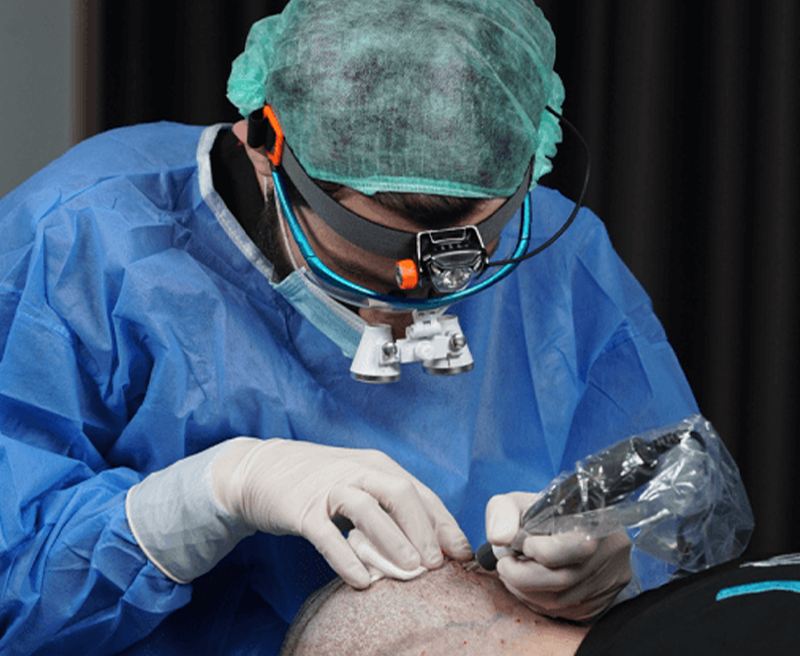
FUE Sapphire
طريقة FUE Sapphire هي تقنية متقدمة لزراعة الشعر تتضمن استخدام أداة متخصصة تسمى Sapphire، وهي أرق وأكثر حدة من الأدوات التقليدية المستخدمة في تقنية FUE. الياقوت هو مادة معروفة بمتانتها وصلابتها ويتم تعقيمها قبل الاستخدام. تم تصميم الشفرة لعمل شقوق دقيقة في فروة الرأس (المناطق الصلعاء)، مما يقلل من الصدمة للجلد. علاوة على ذلك، يمكن استخدام هذه الطريقة لزراعة الشعر في المرضى الذين يعانون من الشعر المجعد أو المموج، حيث يمكن لشفرة الياقوت عمل شقوق منحنية تتبع الاتجاه الطبيعي للشعر، مما يؤدي إلى خط شعر يبدو أكثر طبيعية. يُنظر إلى هذا النهج أيضًا على أنه الطريقة المثلى عندما تكون هناك حاجة أكبر للطعوم. يتيح استخدام الياقوت فتح القنوات بسرعة ودقة أكبر، مما يسهل تحقيق زاوية واتجاه طبيعيين مثاليين.
تقنية زراعة الشعر FUE Sapphire
تستخدم تقنية FUE Sapphire جهاز محرك دقيق لاستخراج البصيلات بدقة، وأدوات شفرة الياقوت لفتح قنوات الزرع في المناطق المستهدفة. تسمح هذه الأدوات بالحصول على نتائج دقيقة للغاية وشفاء أسرع. يتكون الإجراء من أربع مراحل رئيسية:
المرحلة الأولى: استخراج بصيلات الشعر
تبدأ العملية بتحديد منطقة المتبرع، عادةً ما تكون في الجزء الخلفي أو الجانبي من فروة الرأس، حيث تكون بصيلات الشعر أكثر مقاومة لتساقط الشعر. يتم استخدام جهاز محرك دقيق لاستخراج البصيلات واحدة تلو الأخرى دون التسبب في ندوب مرئية أو تلف كبير في الأنسجة. يتم استخراج كل بصيلة بعناية للحفاظ على جودتها وضمان فعاليتها للزرع.
المرحلة الثانية: تحضير البصيلات والحفاظ عليها
يتم وضع البصيلات المستخرجة فورًا في محلول طبي خاص يحافظ على حيويتها ويمنع الجفاف. ثم يتم تصنيفها بناءً على عدد الشعرات لكل طعم - بصيلات شعر فردية أو مزدوجة أو متعددة. يسمح هذا التصنيف بالتخطيط الاستراتيجي، مما يضمن توزيعًا طبيعيًا ومتوازنًا للبصيلات عبر فروة الرأس.
المرحلة الثالثة: فتح القنوات بشفرات الياقوت
في هذه الخطوة، يستخدم الطبيب شفرات ياقوت فائقة الدقة لإنشاء قنوات في مناطق المستقبل. يتم فتح هذه القنوات بزوايا وأعماق دقيقة لضمان الاتجاه الطبيعي لنمو الشعر. شفرات الياقوت أكثر حدة ونعومة من الشفرات الفولاذية التقليدية، مما يقلل من صدمة الأنسجة ويعزز الشفاء الأسرع.
المرحلة الرابعة: الزرع اليدوي للبصيلات
بعد تحضير القنوات، يقوم الفريق الطبي بزرع البصيلات يدويًا واحدة تلو الأخرى في القنوات المفتوحة. يتم إدخال كل بصيلة في الزاوية والاتجاه الصحيحين لضمان نتيجة طبيعية وجمالية. يتم تكرار هذه العملية الدقيقة حتى يتم زرع جميع البصيلات وتغطية المناطق المستهدفة بالكامل.
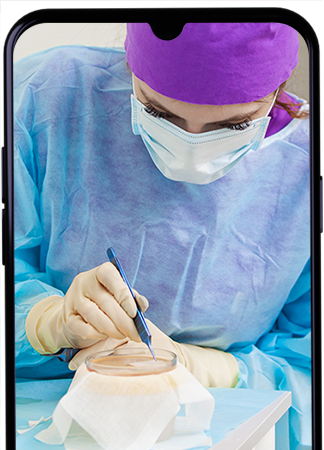
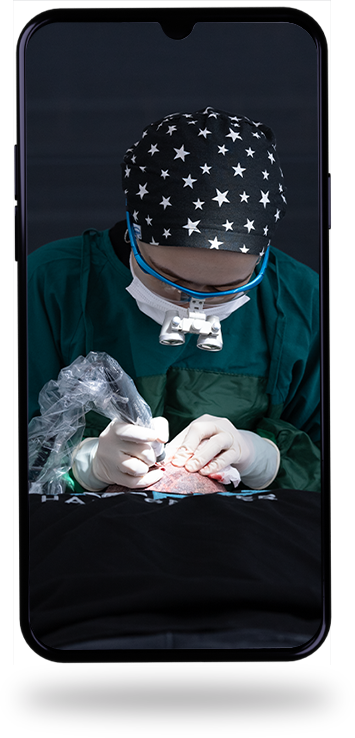
FUE
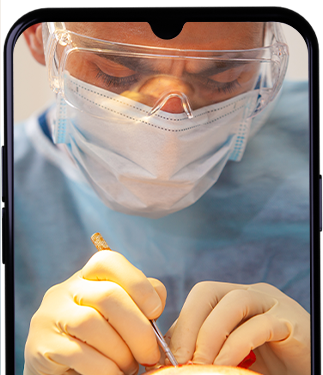
استخراج الوحدة الجرابية (FUE) هي تقنية زراعة شعر تتضمن استخراج بصيلات الشعر الفردية من منطقة المتبرع وزرعها في منطقة المستقبل من فروة الرأس.

>
>
>
FUE
استخراج الوحدة الجرابية (FUE) هي تقنية زراعة شعر تتضمن استخراج بصيلات الشعر الفردية من منطقة المتبرع وزرعها في منطقة المستقبل من فروة الرأس. تم تطوير طريقة FUE كحل للمضاعفات المرتبطة بطريقة FUT، والتي غالبًا ما أدت إلى ندبة مرئية في منطقة المتبرع. تم اعتبار نهج FUE تقدمًا كبيرًا في زراعة الشعر لأنه يلغي الحاجة إلى أخذ شريط من الجلد من منطقة المتبرع، وبالتالي تجنب تكوين ندبة مرئية. هذه الطريقة مناسبة للمرضى الذين يعانون من أنواع مختلفة من تساقط الشعر، بما في ذلك الصلع الذكوري والأنثوي، والثعلبة الندبية، وتساقط الشعر بسبب الصدمة أو الجراحة. FUE هي إجراء سريع وآمن نسبيًا يمكن إجراؤه تحت التخدير الموضعي في عيادة أو مكتب الطبيب.
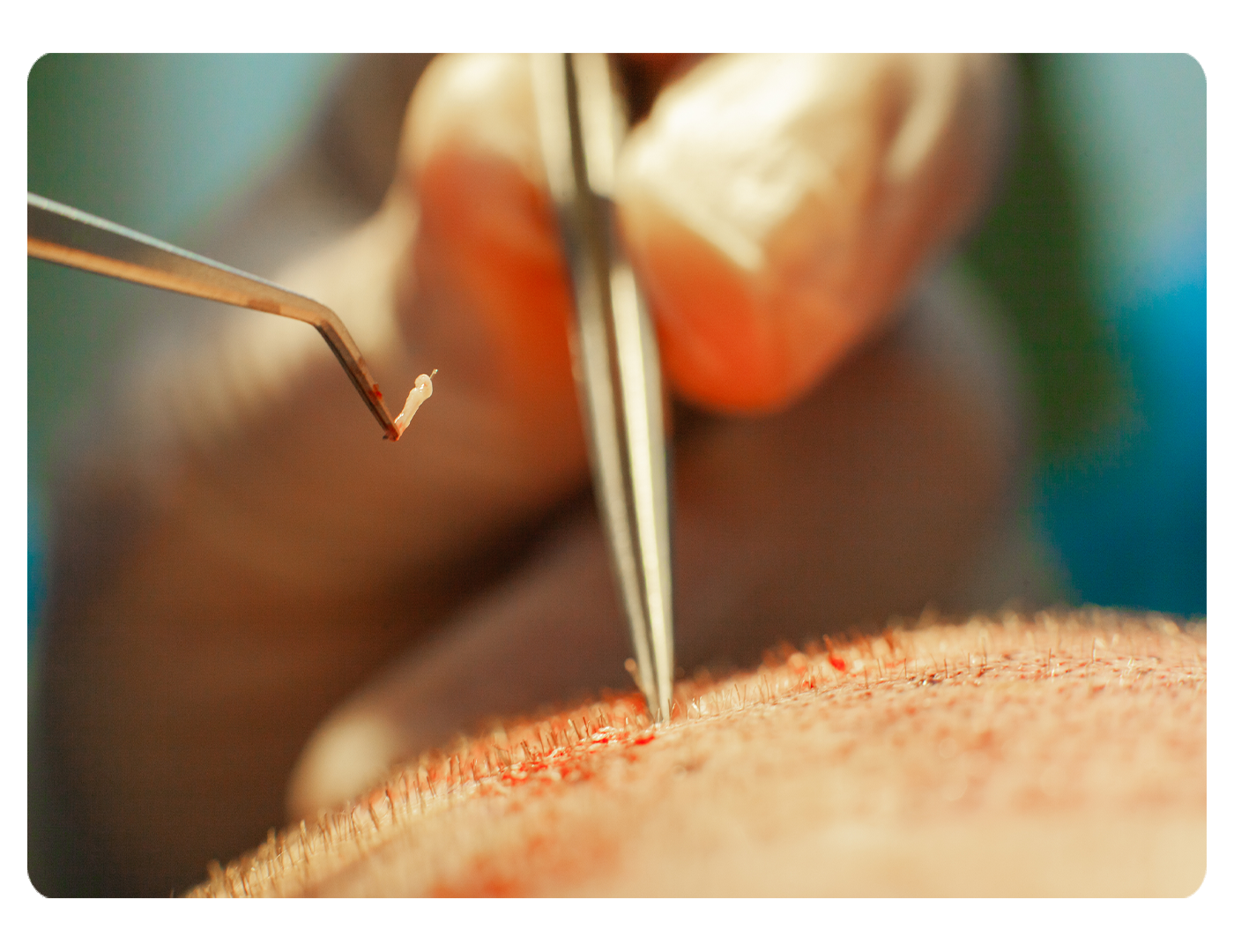
طريقة FUE Sapphire هي تقنية متقدمة لزراعة الشعر تتضمن استخدام أداة متخصصة تسمى Sapphire، وهي أرق وأكثر حدة من الأدوات التقليدية المستخدمة في تقنية FUE. الياقوت هو مادة معروفة بمتانتها وصلابتها ويتم تعقيمها قبل الاستخدام. تم تصميم الشفرة لعمل شقوق دقيقة في فروة الرأس (المناطق الصلعاء)، مما يقلل من الصدمة للجلد. علاوة على ذلك، يمكن استخدام هذه الطريقة لزراعة الشعر في المرضى الذين يعانون من الشعر المجعد أو المموج، حيث يمكن لشفرة الياقوت عمل شقوق منحنية تتبع الاتجاه الطبيعي للشعر، مما يؤدي إلى خط شعر يبدو أكثر طبيعية. يُنظر إلى هذا النهج أيضًا على أنه الطريقة المثلى عندما تكون هناك حاجة أكبر للطعوم. يتيح استخدام الياقوت فتح القنوات بسرعة ودقة أكبر، مما يسهل تحقيق زاوية واتجاه طبيعيين مثاليين.
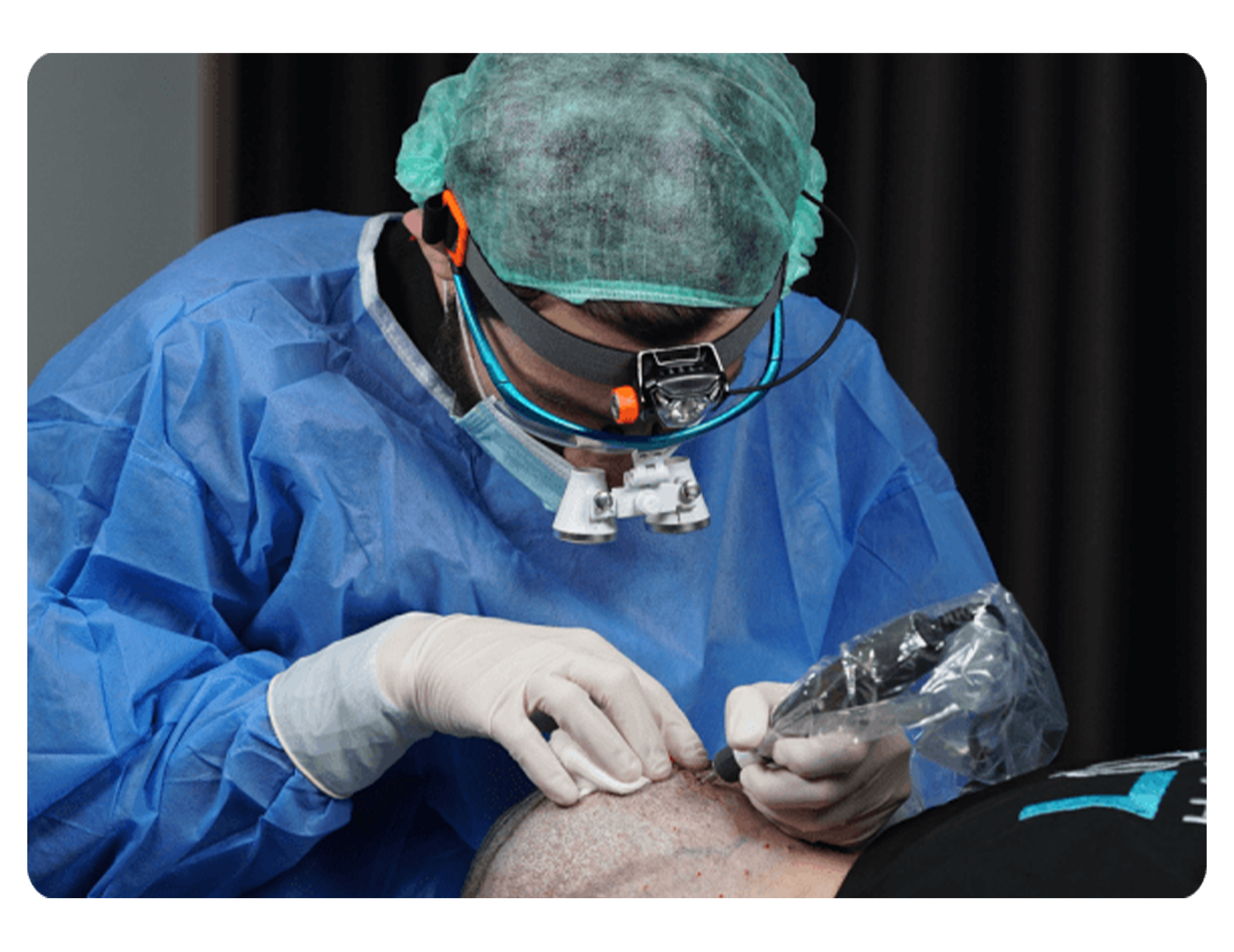
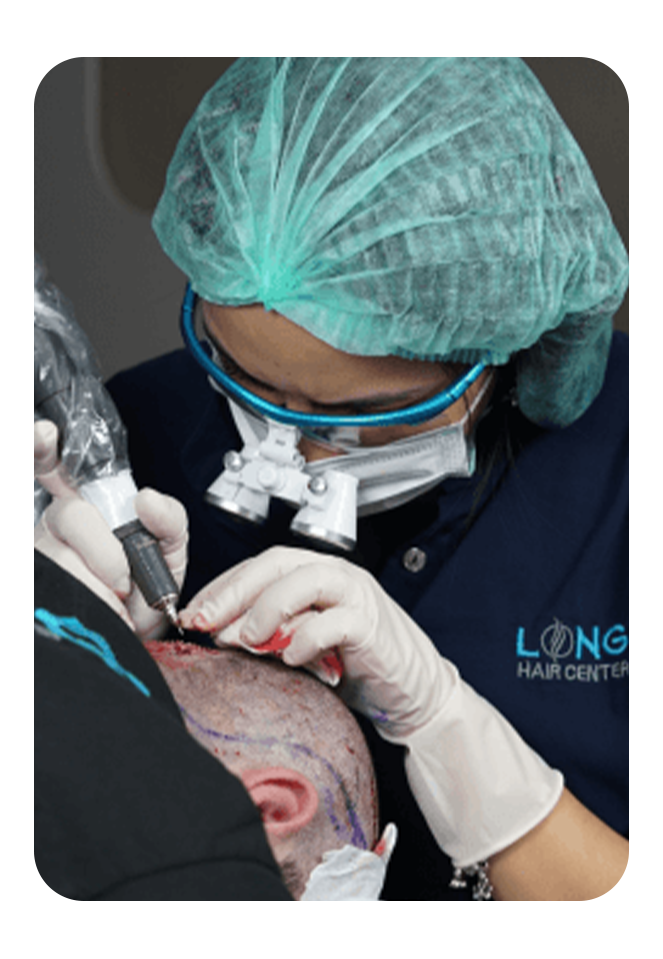
تتكون طريقة FUE Sapphire من العملية التالية:
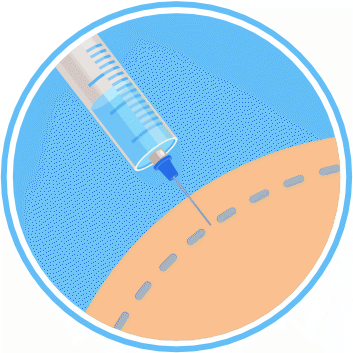
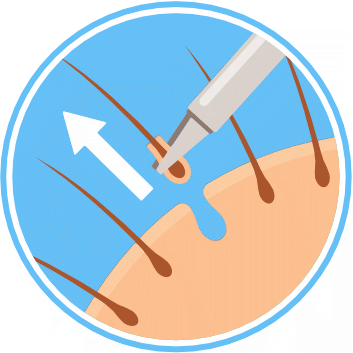
- تبدأ العملية بتحديد منطقة المتبرع، عادةً ما تكون في الجزء الخلفي أو الجانبي من فروة الرأس، حيث تكون بصيلات الشعر أكثر مقاومة لتساقط الشعر. يتم استخدام جهاز محرك دقيق لاستخراج البصيلات واحدة تلو الأخرى دون التسبب في ندوب مرئية أو تلف كبير في الأنسجة. يتم استخراج كل بصيلة بعناية للحفاظ على جودتها وضمان فعاليتها للزرع.
- يتم وضع البصيلات المستخرجة فورًا في محلول طبي خاص يحافظ على حيويتها ويمنع الجفاف. ثم يتم تصنيفها بناءً على عدد الشعرات لكل طعم - بصيلات شعر فردية أو مزدوجة أو متعددة. يسمح هذا التصنيف بالتخطيط الاستراتيجي، مما يضمن توزيعًا طبيعيًا ومتوازنًا للبصيلات عبر فروة الرأس.
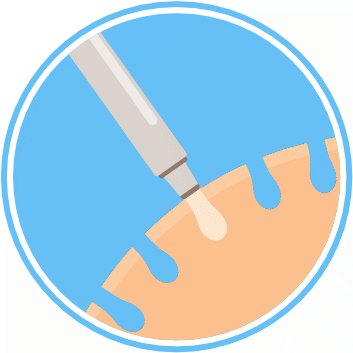
- في هذه الخطوة، يستخدم الطبيب شفرات ياقوت فائقة الدقة لإنشاء قنوات في مناطق المستقبل. يتم فتح هذه القنوات بزوايا وأعماق دقيقة لضمان الاتجاه الطبيعي لنمو الشعر. شفرات الياقوت أكثر حدة ونعومة من الشفرات الفولاذية التقليدية، مما يقلل من صدمة الأنسجة ويعزز الشفاء الأسرع.
- بعد تحضير القنوات، يقوم الفريق الطبي بزرع البصيلات يدويًا واحدة تلو الأخرى في القنوات المفتوحة. يتم إدخال كل بصيلة في الزاوية والاتجاه الصحيحين لضمان نتيجة طبيعية وجمالية. يتم تكرار هذه العملية الدقيقة حتى يتم زرع جميع البصيلات وتغطية المناطق المستهدفة بالكامل.
الأسئلة الشائعة
يتم استخراج طعوم الشعر من الجزء الخلفي من الرأس، والذي نحدده بين الأذنين وفوق الرقبة. سبب اختيار هذه المنطقة المحددة كمتبرع (منطقة الاستخراج) هو أن طعوم الشعر في هذه المنطقة مشفرة وراثيًا ضد تساقط الشعر الفطري. إذا تم تنفيذ عملية الاستخراج من هذه المنطقة بجودة فنية أفضل، فلن يحدث تساقط الشعر مدى الحياة. لذلك، نأخذ طعوم الشعر من هذه المنطقة.
قد يتساقط الشعر المزروع خلال 2-3 أسابيع بعد الزرع. هذه عملية طبيعية. سيبدأ نمو الشعر الجديد بعد حوالي 3-4 أشهر، ويمكنك رؤية النتائج النهائية بعد 6-12 شهرًا. قد يستغرق النمو الكامل حتى 18 شهرًا.
لا، الشعر المزروع بشكل عام لا يتساقط مرة أخرى. الشعر المستخرج من الجزء الخلفي من الرأس مقاوم وراثيًا لتساقط الشعر ويبقى دائمًا. ومع ذلك، قد يستمر الشعر الطبيعي الموجود في التساقط مع تقدم العمر، لذلك قد تكون هناك حاجة لزراعة إضافية إذا لزم الأمر.
يتم إجراء الجراحة تحت التخدير الموضعي، لذلك لا يوجد ألم تقريبًا أثناء الإجراء. قد يكون هناك انزعاج خفيف أو تورم بعد الجراحة، ولكن يمكن التعامل مع هذا بشكل عام باستخدام مسكنات الألم الخفيفة. يمكن لمعظم المرضى العودة إلى الأنشطة الطبيعية في اليوم التالي للجراحة.
نرحب بك أن تأتي مع عائلتك. قد تكون هناك رسوم إضافية لإقامة المرافق، ولكن هذا اختياري. قد يختلف حسب حزمة الإقامة، لذا يرجى التحقق من التفاصيل عند الحجز. بشكل عام، جميع الخدمات مشمولة لمريض واحد.
يختلف وقت العملية حسب عدد البصيلات المراد زرعها. بشكل عام، تستغرق 1000-2000 بصيلة 4-6 ساعات، و2000-3000 بصيلة تستغرق 6-8 ساعات، و3000 بصيلة أو أكثر تستغرق 8-10 ساعات. يتم إكمال الجراحة في يوم واحد، بما في ذلك وقت الراحة.