
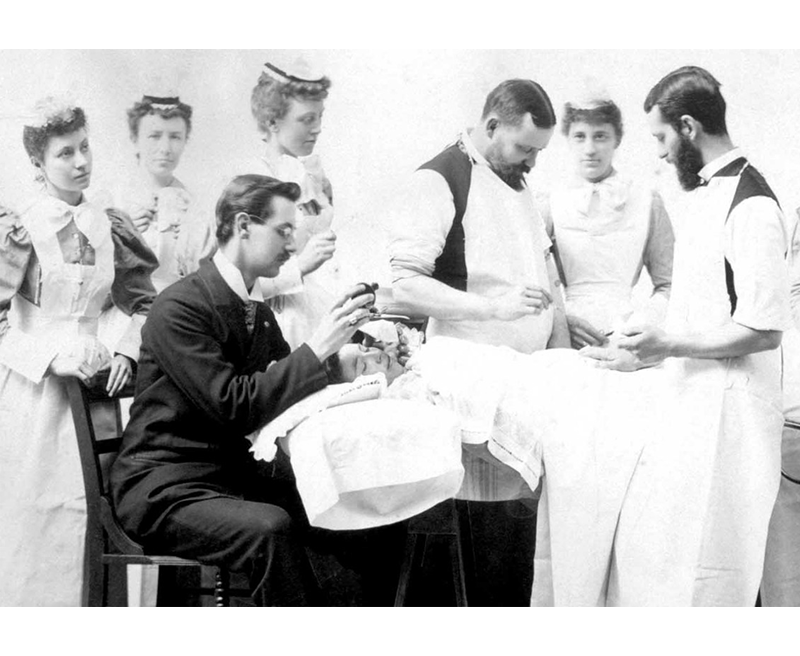
زراعة الشعر هي مجال يتطور باستمرار مع الابتكارات التكنولوجية. بينما لا يوجد حاليًا علاج لتساقط الشعر، تقدم زراعة الشعر حلاً دائمًا. تعود أصول زراعة الشعر الحديثة إلى القرن التاسع عشر، عندما أجرى الطالب الألماني يوهان فريدريش ديفنباخ تجارب زراعة الشعر على الحيوانات. في ثلاثينيات القرن العشرين، بدأت التقنيات الجراحية بزراعة الحاجبين والرموش في اليابان وتطورت إلى زراعة الشعر، التي انتشرت في جميع أنحاء العالم بعد الحرب العالمية الثانية. بدأت ممارسات زراعة الشعر الحديثة في الخمسينيات من القرن العشرين مع عمل الدكتور نورمان أورينتريتش في نيويورك. أظهر أورينتريتش أن الشعر المزروع استمر في النمو، مما يمثل تقدمًا كبيرًا في مجال زراعة الشعر. في الثمانينيات، مع مساهمات بعض الأطباء البرازيليين، تم تطوير التقنيات بشكل أكبر وتم زرع آلاف من بصيلات الشعر في وقت واحد باستخدام الطريقة الجراحية المجهرية للدكتور راسمان من الولايات المتحدة. في السنوات التالية، تم تطوير تقنيات مثل زراعة الوحدة الجرابية (FUT)، واستخراج الوحدة الجرابية (FUE)، والزراعة المباشرة للشعر (DHI). تم تقديم FUE إلى الأدبيات في عام 2002 من قبل الدكتور راسمان والدكتور بيرنشتاين. في عام 2007، تم تحويلها إلى تقنية زراعة الشعر الروبوتية من قبل الأطباء والخبراء الحديثين. أصبحت زراعة الشعر تقنية تقدم حلولاً دائمة في المجالات الطبية والجمالية اليوم.
زراعة الشعر هي إجراء طبي متخصص يتم فيه أخذ بصيلات الشعر من منطقة المتبرع، عادة الجزء الخلفي أو الجانبي من الرأس، وزرعها في مناطق فروة الرأس التي تعاني من الصلع أو الترقق. يتم تنفيذ الإجراء بدقة من قبل فريق طبي ماهر في بيئة معقمة لضمان السلامة والدقة.
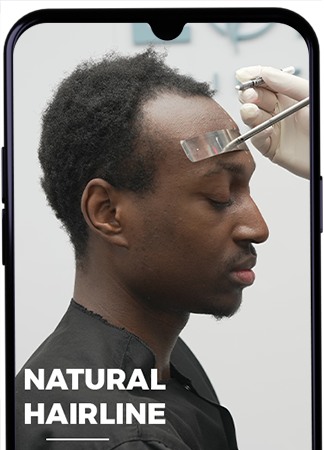
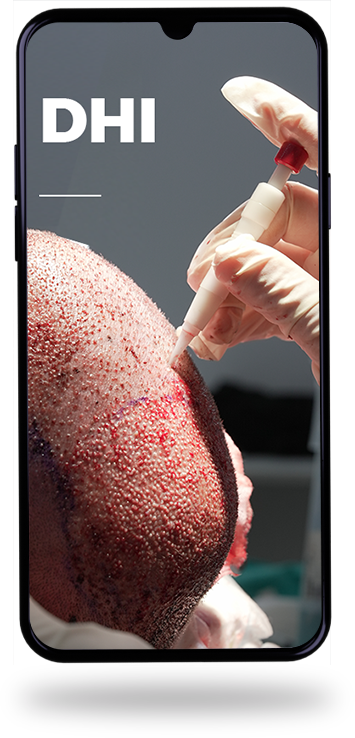
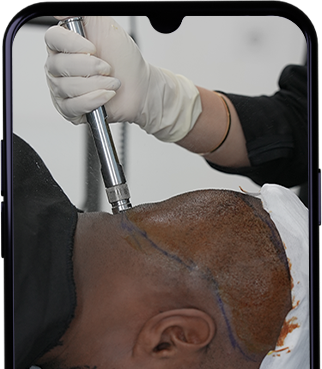
اعتمادًا على حجم المنطقة المراد استعادتها، يمكن أن تستغرق العملية من 6 إلى 10 ساعات. التطبيق الدقيق للتقنية الصحيحة أمر بالغ الأهمية لنجاح الإجراء. تقدم زراعة الشعر فوائد نفسية كبيرة، حيث يمكنها استعادة ثقة الشخص بنفسه وتحسين رفاهيته العاطفية في البيئات الاجتماعية. يمكن أن يكون للمظهر المحسن تأثير إيجابي على الحياة الشخصية والمهنية للشخص، مما يحقق ليس فقط الرغبات الجمالية ولكن أيضًا أحلام استعادة الشعر التي طال انتظارها. بينما هناك عدة طرق لزراعة الشعر، فإنها جميعًا تشترك في هدف مشترك: استعادة الشعر بطريقة تبدو طبيعية ودائمة. يجعل استخدام التخدير الموضعي الإجراء خاليًا من الألم تقريبًا، مما يسمح للمرضى بالبقاء مستيقظين ومرتاحين طوال الإجراء. على الرغم من أن زراعة الوحدة الجرابية (FUT) ليست الطريقة المفضلة اليوم، إلا أن تقنيات مثل استخراج الوحدة الجرابية (FUE) والزراعة المباشرة للشعر (DHI) مستخدمة على نطاق واسع. ومع التطورات الحديثة، أصبحت أوقات التعافي أقصر والنتائج تبدو أكثر طبيعية من أي وقت مضى. هذا المزيج من الخبرة الطبية والتخطيط الدقيق والتقنيات الحديثة يجعل زراعة الشعر خيارًا شائعًا بشكل متزايد لأولئك الذين يسعون لمعالجة تساقط الشعر.
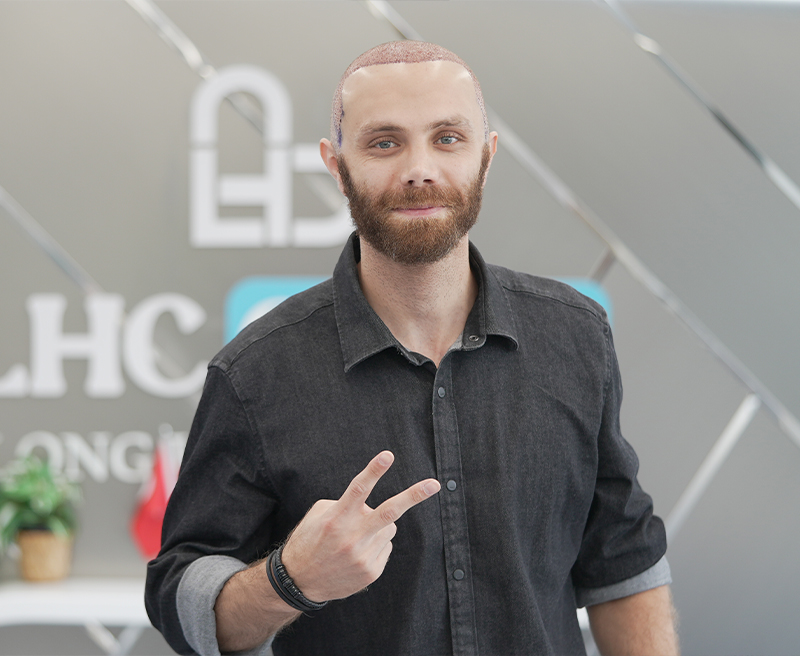
A hair transplant operation should be performed in a hospital environment under sterile conditions by a fully qualified and experienced medical team. There are various techniques for hair transplantation, and the most suitable method depends on individual factors such as age, gender, hair type, the rate and pattern of hair loss, the quality of the donor area, and the level of baldness. The most common techniques include
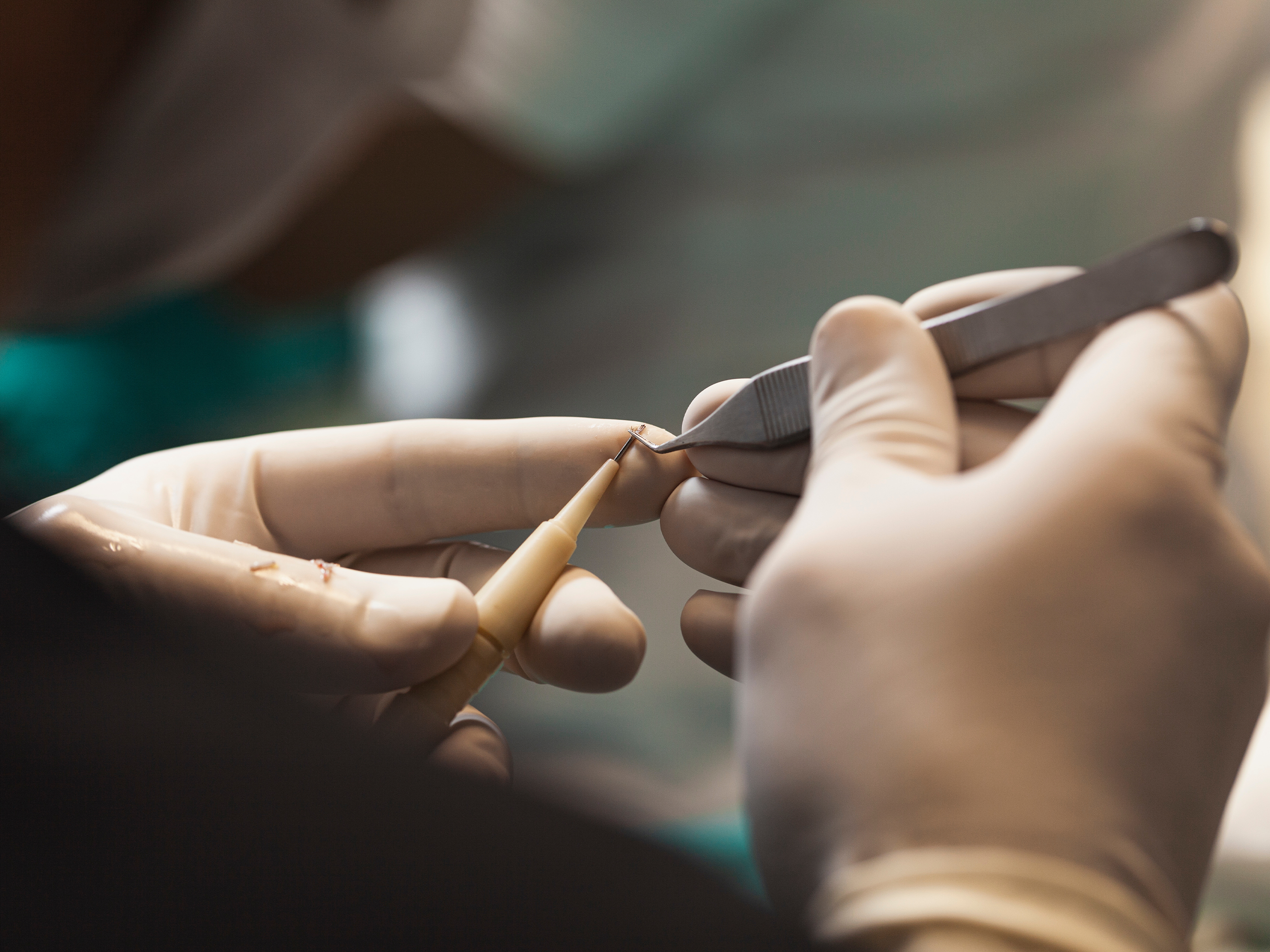
يتم استخراج طعوم الشعر من الجزء الخلفي من الرأس، والذي نحدده بين الأذنين وفوق الرقبة. سبب اختيار هذه المنطقة المحددة كمتبرع (منطقة الاستخراج) هو أن طعوم الشعر في هذه المنطقة مشفرة وراثيًا ضد تساقط الشعر الفطري. إذا تم تنفيذ عملية الاستخراج من هذه المنطقة بجودة فنية أفضل، فلن يحدث تساقط الشعر مدى الحياة. لذلك، نأخذ طعوم الشعر من هذه المنطقة.
قد يتساقط الشعر المزروع خلال 2-3 أسابيع بعد الزرع. هذه عملية طبيعية. سيبدأ نمو الشعر الجديد بعد حوالي 3-4 أشهر، ويمكنك رؤية النتائج النهائية بعد 6-12 شهرًا. قد يستغرق النمو الكامل حتى 18 شهرًا.
لا، الشعر المزروع بشكل عام لا يتساقط مرة أخرى. الشعر المستخرج من الجزء الخلفي من الرأس مقاوم وراثيًا لتساقط الشعر ويبقى دائمًا. ومع ذلك، قد يستمر الشعر الطبيعي الموجود في التساقط مع تقدم العمر، لذلك قد تكون هناك حاجة لزراعة إضافية إذا لزم الأمر.
يتم إجراء الجراحة تحت التخدير الموضعي، لذلك لا يوجد ألم تقريبًا أثناء الإجراء. قد يكون هناك انزعاج خفيف أو تورم بعد الجراحة، ولكن يمكن التعامل مع هذا بشكل عام باستخدام مسكنات الألم الخفيفة. يمكن لمعظم المرضى العودة إلى الأنشطة الطبيعية في اليوم التالي للجراحة.
نرحب بك أن تأتي مع عائلتك. قد تكون هناك رسوم إضافية لإقامة المرافق، ولكن هذا اختياري. قد يختلف حسب حزمة الإقامة، لذا يرجى التحقق من التفاصيل عند الحجز. بشكل عام، جميع الخدمات مشمولة لمريض واحد.
يختلف وقت العملية حسب عدد البصيلات المراد زرعها. بشكل عام، تستغرق 1000-2000 بصيلة 4-6 ساعات، و2000-3000 بصيلة تستغرق 6-8 ساعات، و3000 بصيلة أو أكثر تستغرق 8-10 ساعات. يتم إكمال الجراحة في يوم واحد، بما في ذلك وقت الراحة.